
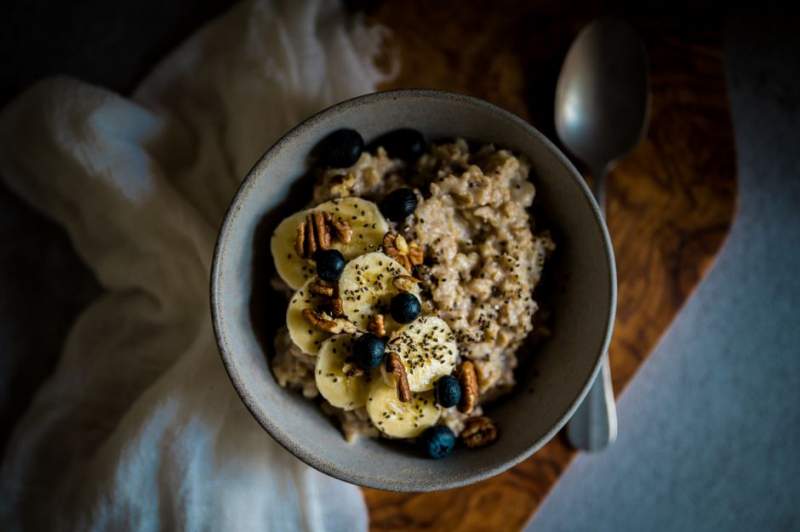
Green oat flakes hit the lower body like a switch snapping back into place. They slam into the exact problems the post promises: weak legs, shaky feet, wobbly ankles, and that humiliating moment when standing still feels harder than walking.
That pale green powder looks almost fragile in the bowl, but inside the body it behaves like raw biological fuel with sludge-clearing compounds packed into every spoonful. The old story says aging legs just “go bad.” The real story is uglier: the signal gets jammed, the muscles stop answering cleanly, and the feet start lying to the brain.
So the first thing to understand is this: the issue is not a lack of effort. It is a lower-body circuit that has been running on fumes for too long.
By late afternoon, the stairs feel steeper than they should. The grocery bag feels heavier than it used to. Even crossing a kitchen floor can turn into a tiny negotiation with gravity.
That is what makes this so maddening. The body is still moving, but it is moving like a machine with sand in the gears.
The $100-billion wellness machine barely whispers about fixes this plain because there’s no patent hiding inside a humble grain. Wall Street doesn’t build empires around a bowl of flakes, even when the body responds like it just got handed the missing key.
The Lower-Body Reboot
Think of the legs like a house with a dim electrical panel. The lights come on, but they flicker in the hallway, sputter at the stairs, and never quite power the far rooms with confidence.
That is what weak legs feel like from the inside. Not broken. Underfed, underpowered, and starved of the kind of vibrant, oxygen-rich circulation that keeps muscle tissue from acting like it is half asleep.
Green oat flakes force a different response. They deliver molecular brooms that start sweeping away the rust, the drag, and the stale buildup that slow the lower chain down.
The first thing people notice is not a superhero leap up the stairs. It is smaller and more believable: getting out of a chair without that sticky pause, planting the feet with more authority, and feeling the ankles stop wobbling like they are bargaining with the floor.
That shift matters because strength is not only about the thigh. It starts in the tiny signals moving up from the feet, and when those signals are scrambled, the whole body moves like a radio tuned between stations.

Now picture a man stepping off a curb and catching himself instead of pitching forward. Picture a woman carrying a grocery bag up the porch steps without that split-second fear that one knee might fold like a cheap lawn chair.
That is the hidden win: the system starts answering the brain again instead of dragging behind it.
Why Balance Comes Back Before People Expect It
Balance is communication. When the nerves in the feet and lower legs get underfed, the brain receives sloppy, static-filled messages back, and every turn becomes a test.
That is why so many older adults feel fine sitting down and suddenly unstable the second they rise. The body is not failing all at once; the signal is getting scrambled exactly where the ground meets the foot.
Green oat flakes help restore that signal by flooding tired, shriveled cells with vital moisture and raw fuel. The result is cleaner feedback: a firmer step, a steadier pivot, less of that split-second panic when turning too fast.
Here is the ugly contrast. Without that daily trigger, the lower body keeps limping along on scraps, and every step costs more than it should. With it, the system begins to reorganize from the ground up.
And the strange part is that balance often improves before the person feels “stronger.” That is the clue that the nervous system is waking up first.
One minute the kitchen floor feels like a trap. Then the body starts trusting itself again, and that trust changes the whole day.
The Forgotten Foundation: Feet That Stop Betraying the Legs
Feet are the base of the whole structure, and when they weaken, everything above them compensates. Compensation is exhausting. It is the body doing three jobs badly because one job was never properly fueled.
These flakes help smooth out that failure point by feeding the tissues that absorb pressure and push the body forward. The arch feels less dead. The toes push off with more authority. The soles stop feeling like thin paper.
Think of it like replacing worn tires on a car that has been skidding for months. The engine was never the only problem. The contact point with the road was failing, and every mile felt rough because of it.
That is why some people notice the shift while standing barefoot in the morning, feeling the floor under them and realizing they are not bracing for collapse anymore.
Why women notice it in a different way is simple: they often feel the change in the small, daily movements first. Turning at the sink. Carrying laundry. Stepping off a curb without a little jolt of fear.
Why men feel the shift first is different: they usually notice the legs stopping that dead, heavy drag that makes every yard feel like a penalty lap.
The Daily Shift Nobody Calls “Food”
The ugly truth is that weak legs after 60 get treated like a permanent identity, when most of the time they are a repairable signal. The body is not “just old” in the lazy way people mutter over dinner.
It is missing a daily command. Give it the wrong fuel and the muscles stay flat, the nerves stay dull, and the circulation stays sluggish. Give it the right trigger and the system starts turning the lights back on where they went dark.
That is why a plain food can hit harder than a fancy regimen. It does not arrive as a performance. It arrives as a command, and the body responds by reorganizing itself from the ground up.
By the time that shift settles in, walking to the mailbox feels less like a chore. The driveway stops feeling longer than it is. The legs begin to feel like they belong to you again.
One Kitchen Habit Can Smother the Whole Effect
Most people bury the response by drowning the flakes in a sugar-heavy breakfast that hits the body like syrup poured over a live wire. The flakes are still there, but now the system has to fight through the sticky load first.
That glossy pairing can flatten the response and leave the legs feeling just as sluggish as before. One common kitchen habit neutralizes the entire process before it gets a clean shot at the lower body.
There is one pairing rule that changes everything about how this works — and it decides whether the next bowl becomes a dead end or a real trigger.
This article is for informational purposes only and does not replace professional medical advice. Please consult your healthcare provider for personalized guidance.


0 commentaires:
Enregistrer un commentaire