
That orange sweet potato is not just dinner. It delivers beta-carotene, polyphenols, and fat-soluble compounds that slam into the same swollen, irritated prostate that keeps men up at night, shoving them toward the bathroom with a weak stream and that maddening “not finished yet” pressure.
The post is promising something bigger than a side dish: less prostate swelling, less urinary strain, and less dependence on surgery or medication. That is a serious claim, and the reason it grabs attention is simple — men who live with this know exactly what a threatened prostate feels like.
One trip to the bathroom turns into three. The stream starts, stalls, and sputters like a hose with a kink in it. Then 2 a.m. arrives, and the bladder starts barking again before the body has even settled down.
The ugly truth is that the body does not usually fail all at once. It gets jammed, congested, and chemically noisy, and the prostate sits right in the middle of that traffic pileup.
What the supplement machine barely whispers about is that the cheapest-looking food in the produce aisle can act like a full internal rinse when it is prepared the right way. The trick is not magic — it is delivery.
The Prostate Pressure Reset
Call it the Prostate Pressure Reset. That is what happens when the orange flesh, the skin, and the right fat work together like a cleanup crew ripping sludge out of a clogged drain.
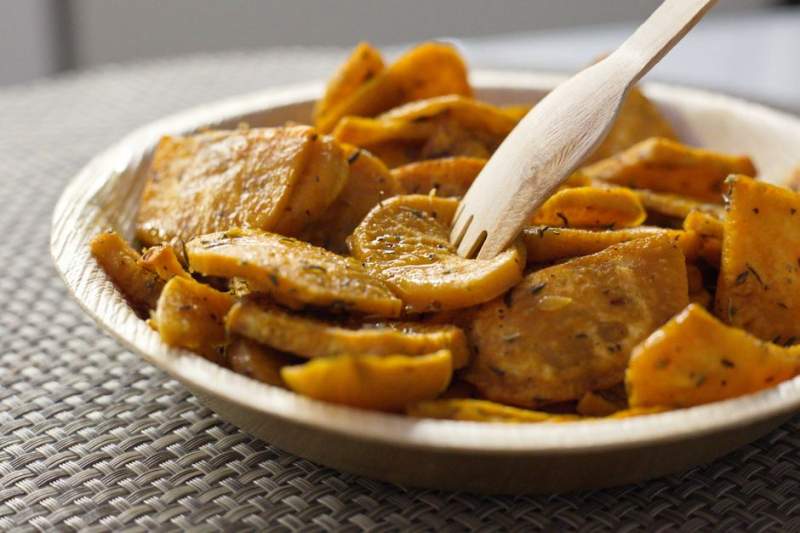
Think of the prostate like a narrow hallway with a heavy door pressing down on it. When irritation builds, the tissue swells, the passage tightens, and every bathroom trip feels like pushing through a jammed turnstile at rush hour.
Beta-carotene gets converted into vitamin A, and that conversion helps keep cells from drifting into damaged, unstable behavior. The polyphenols act like molecular brooms, sweeping up the oxidative sparks that keep the tissue hot and overworked.
The body is not asking for more noise. It is asking for raw biological fuel that cools the fire and clears the path.
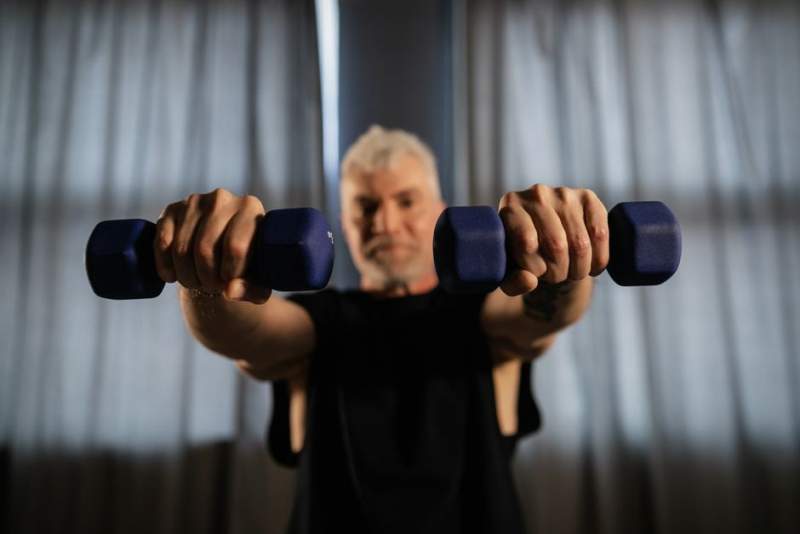
Here is where most people miss the whole thing: sweet potato alone is only part of the story. Add olive oil, and the fat-soluble compounds stop skidding past your system like marbles on glass and start getting absorbed where they can actually do damage control.
That is why a baked sweet potato with fat is not the same animal as a dry, overcooked pile of starch. One is a dead end. The other is a delivery truck loaded with fire-smothering compounds.
The first thing men notice is not a miracle. It is a small, suspicious shift — less pressure, less urgency, less of that swollen, packed feeling that makes the bladder feel trapped behind a locked door.
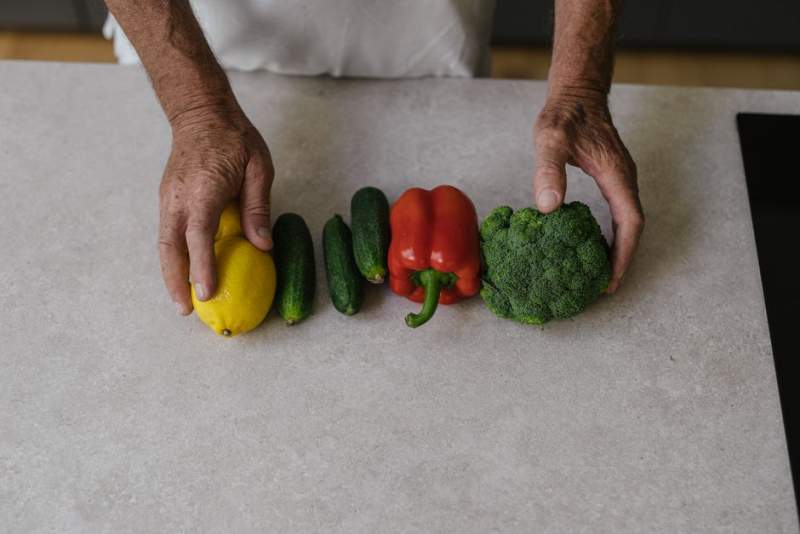
And nobody built a Super Bowl ad around a root vegetable. That is exactly why the simplest fixes get buried under louder, pricier noise.
Why the Bathroom Stops Feeling Like a Battle
When the tissue around the prostate stops acting like a soaked sponge, it stops pinching the bladder outlet from below. The stream changes first, because flow is the first thing that suffers when the passage gets crowded.
Picture a garden hose with a hard twist in it. Water still moves, but it comes out weak, uneven, and frustratingly thin. Remove some of that congestion, and the difference shows up before the rest of the body has any dramatic announcement to make.
That is why men often notice fewer urgent trips before they notice anything else. The night stops getting chopped into pieces, and the bathroom no longer feels like a midnight checkpoint.
Over time, the pattern gets clearer: less start-and-stop hesitation, less pressure, less of that unfinished feeling after urinating. The body is not being “fixed” by a slogan. It is being taken out of a constant state of alarm.
The turmeric and black pepper in the recipe matter here too. Black pepper drives curcumin deeper into the system, and olive oil turns the meal into a carrier instead of a dead-end snack.
Slice that sweet potato open and you are looking at a soft orange furnace that only works when the right fat is there to carry the heat. Without that fat, a big chunk of the power slips away before it can reach the target.
The ugliest truth in health is that the cheapest fix gets the least airtime. That is why this next shift matters so much — because the prostate is not the only place men feel the change.
The Morning Shift Men Notice Next
After a few days of consistency, the change often shows up in the morning routine. The first bathroom visit feels less like forcing open a stubborn valve and more like the body finally letting go without a fight.
That sounds small until you have lived the opposite for months. Then a smoother morning becomes a quiet victory, the kind you feel in your chest before you can even explain it.
The beta-carotene conversion also helps keep the tissue from drifting into that irritated, unstable state that feeds the swelling cycle. The polyphenols and other sludge-clearing compounds help quiet the internal sparks that keep the gland hot.
Think of it like a furnace filter caked with soot. Air still tries to move through, but everything gets strained, dirty, and inefficient. Clear the filter, and the whole system breathes differently.
That is the real payoff: less internal friction, less congestion, less of that nagging sense that something below the bladder is always tense. Not flashy. Just brutally practical.
And there is one common kitchen habit that can wreck the whole effect before it ever reaches your bloodstream.
The P.S. That Changes the Game
Boiling the sweet potato until it turns pale and waterlogged strips out a chunk of what makes it useful. You end up with soft starch and a watered-down shadow of the real thing.
Bake it instead, keep the skin on, and pair it with fat. That is the difference between a bland side dish and a prostate-focused tool that actually carries its own weight.
The next pairing secret matters even more than the cooking method, because one ingredient can make the whole thing hit harder than most men realize.
This article is for informational purposes only and does not replace professional medical advice. Please consult your healthcare provider for personalized guidance.


0 commentaires:
Enregistrer un commentaire